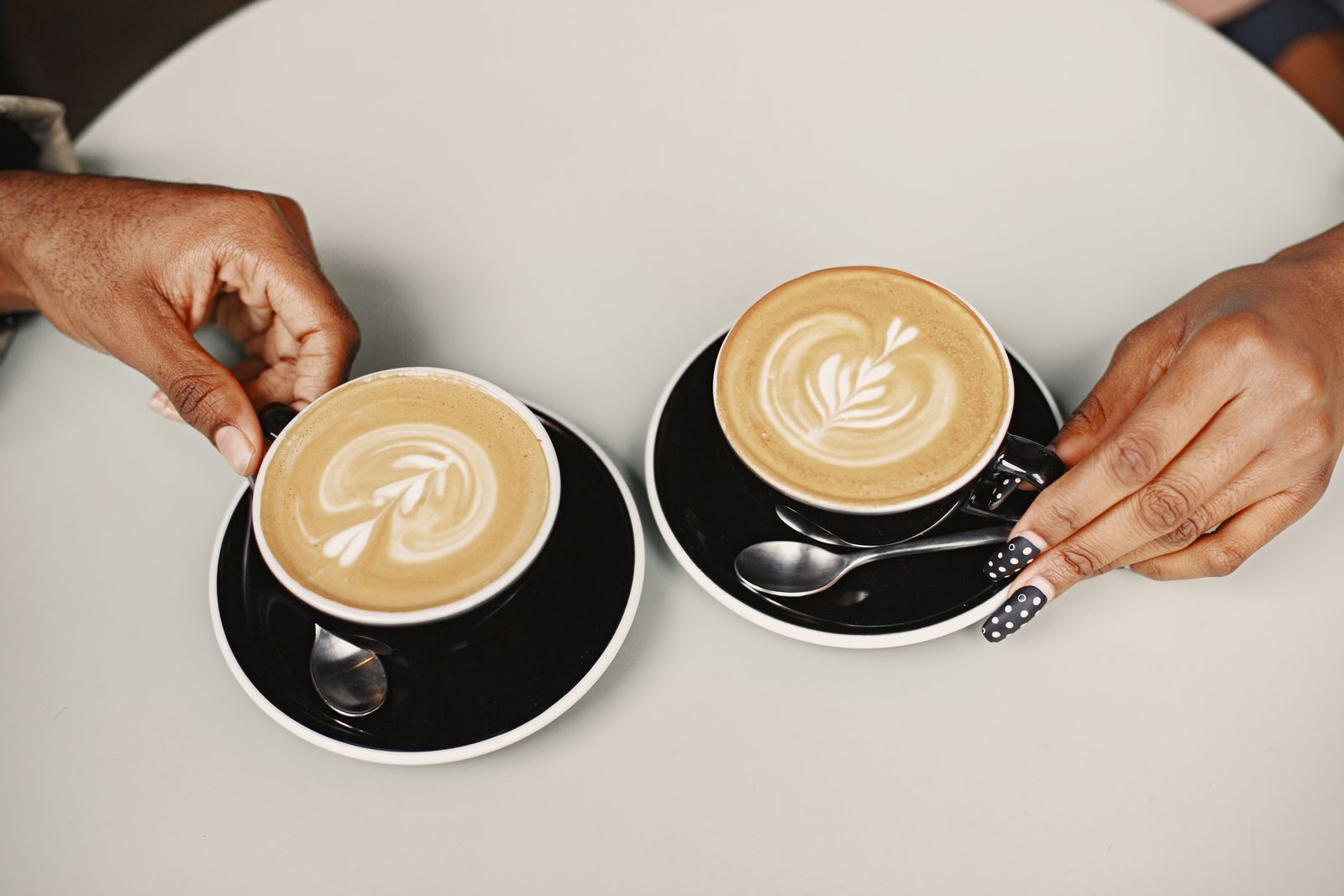
When a business wants to reward customers, the first instinct is often to cut a price. It is quick to set up and easy to understand. It can also teach people to wait for the lower number.
Why price cuts can backfire
A lower price tells customers what a thing is "really" worth. Once they have seen the smaller number, the usual one can start to feel like a markup. Some customers learn to hold off until the next cut, and the people you most wanted to reward, your loyal regulars, end up paying the same as someone who has never been in.
A price cut also takes margin on every sale it touches, including customers who would have bought anyway. That is not always a bad trade, but it is worth seeing clearly.
A Reward that belongs to your Spot
A Reward works differently when it feels like a thank-you. Think of something that belongs to your Spot: an extra shot, a small treat with the next order, a few extra minutes at the end of a treatment, a class add-on.
A cafe might add a pastry half to the next coffee. A salon might add a scalp massage at the end of a cut. A gym might include a guest pass. A bookshop might offer a handwritten recommendation slip. None of these tells the customer that the product was overpriced. Each one says: we are glad you came.
Three tests for a good Reward
A good Reward tends to have three things. It is easy to explain in one sentence. It is something your team can deliver without slowing the counter. And it is worth noticing to the customer without being worth a lot to your margin.
Try each idea against all three. If you cannot say it in one sentence, customers will not remember it. If it needs a long conversation at the till, your team will quietly stop offering it. And if the customer barely notices it, it is not doing its job.
Count the cost honestly
The third point deserves care. You fund the Reward, so the question is what it costs you each time compared with what a new customer is worth over time. As an illustration only, if an extra shot costs you a small amount in ingredients and a few seconds of time, and a new regular is worth many visits, the maths can look comfortable. If the Reward costs a large share of a single sale, it may not.
A Reward that is too generous eats the margin. One that is too small will simply be ignored. There is no way to know the right size in advance, which is why it is better to treat your first Reward as a test.
Start simple and adjust
There is no perfect formula. Start simple, watch how people respond, and adjust. If customers keep mentioning the Reward, it is working. If nobody notices it, make it a little more visible or a little more generous. If it is hurting your margin, make it smaller or change what it is.
A Reward you can keep offering comfortably is better than a bold one you have to pull back. Customers remember being given something, and they remember having it taken away.
What to avoid
A few things tend to cause trouble. Rewards with a long list of conditions feel like a trap. Rewards that look generous but only apply to items nobody wants feel like a trick. And rewards that change every month make it hard for customers to know what to expect.
Clear and consistent beats clever. People trust a Spot that does what it says.
What your Reward says about you
What you choose also says something about your Spot. Pick something that sounds like you, and customers will treat it as a gesture, not a transaction. A warm, slightly quirky Reward at a warm, slightly quirky place feels right. A generic one feels like it came from a template.
The best test is the simplest: if you were the customer, would you feel thanked?